

Short naps don't relieve sleep deprivation, but they're still beneficial
Short naps don't relieve sleep deprivation, but they're notwithstanding beneficial

If you lot're using naps to offset the furnishings of sleep impecuniousness, a new study has some bad news for you. Researchers at Michigan State University were interested in the "cognitive deficits associated with slumber impecuniousness", and looked at whether brusque naps had an affect on cognitive impairment after a poor dark'southward sleep or nix slumber.
The enquiry has now been published in the journal Sleep and highlights how a nap won't restore a sleepless night. For the study, 275 higher-age participants were asked to consummate a cognitive exam. They were so either tasked with going home to sleep every bit normal, or to remain overnight at the MSU Sleep and Learning Lab.
The remainers were divided into two groups: those allowed to nap for 30 to 60 minutes, and those who weren't allowed to sleep. The side by side morning, all participants were asked to retake the cognitive test, which measured attention and place-keeping.
In a statement published on Science Daily, report author Kimberly Fenn, Ph.D and director of Michigan State Academy'southward Sleep and Learning Lab, said: "In this report, we wanted to know if a short nap during the impecuniousness menses would mitigate these deficits. We establish that short naps of 30 or hour did not show whatever measurable furnishings.
"The group that stayed overnight and took short naps still suffered from the effects of sleep impecuniousness and made significantly more than errors on the tasks than their counterparts who went home and obtained a full night of slumber."
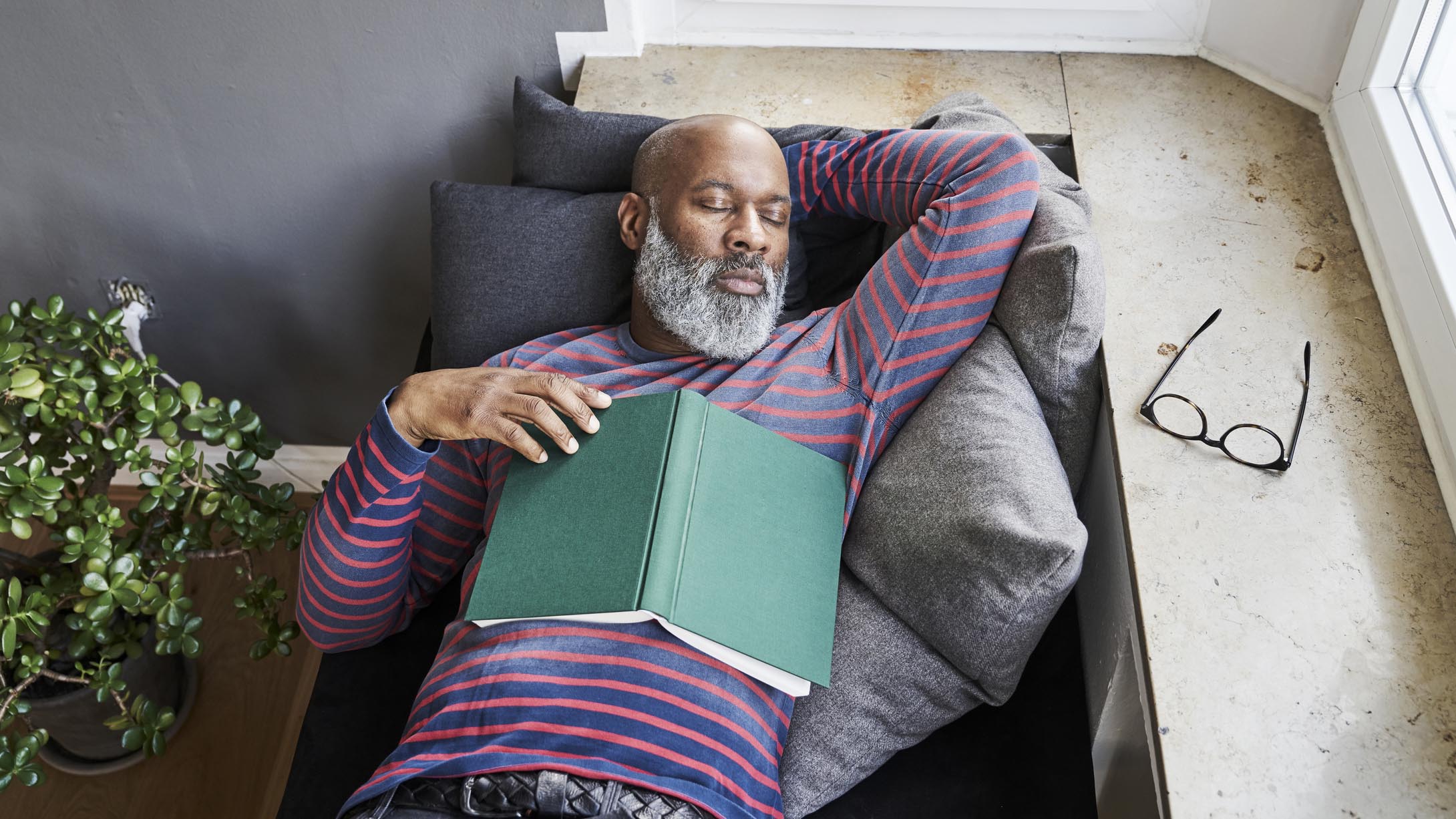
Prioritizing sleep is i of the best things you can do for your health. If your sleep surround is as well bright or noisy, acquire how to optimize your bedroom for better sleep. To upgrade your bed, read our guides to the best mattresses for all budgets, and the all-time pillows for unlike slumber styles. To breathe new life into an old bed, try one of the all-time mattress toppers instead.
Why irksome wave sleep is important
There is some good news hither for nap fans: more slow-wave sleep (SWS) during the nap added up to less cognitive damage on the tests. "While short naps didn't show measurable furnishings on relieving the furnishings of slumber deprivation, we found that the amount of dull-wave sleep that participants obtained during the nap was related to reduced impairments associated with sleep deprivation," Fenn said.
Slow-wave sleep is the deepest, nigh restorative stage of sleep, when your muscles are at ease and your body is near relaxed. "SWS is the near important stage of sleep," Fenn explained. "When someone goes without sleep for a period of fourth dimension, fifty-fifty simply during the day, they build upwards a need for sleep."
That demand for sleep is also referred to as 'sleep drive', and it's this hunger for snoozing that makes it easier for u.s.a. to drop off. "When individuals go to slumber each night, they will presently enter into SWS and spend a substantial corporeality of time in this phase," Fenn said.
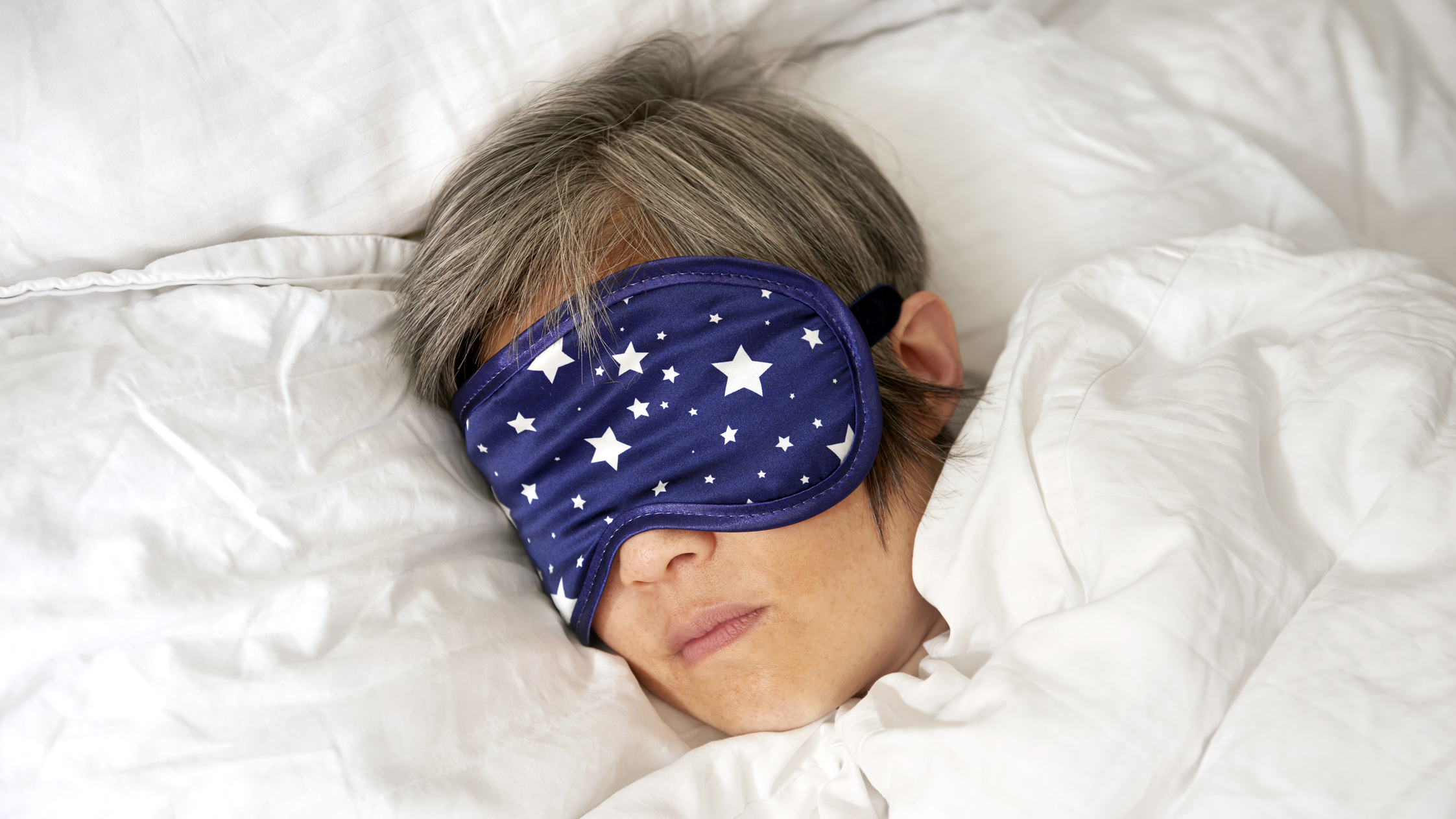
The takeaway? Prioritizing adept sleep is important, and naps – even if they include slow-wave slumber – can't replace a total nighttime'southward sleep. So does that mean naps are pointless and you lot shouldn't take one? No. There are proven health benefits to napping, but when you nap and for how long are key.
- Learn how to sleep with a cold - a sleep physician advises
How long should a nap be, and why are they helpful?
According to guidance published by the CDC, there's stiff evidence that our brains benefit from naps. They can help the states recover faster from fatigue, and a practiced nap helps us experience more refreshed and alert.
Merely how long should a nap be? The CDC recommends 20 minutes equally the ideal length of a short nap to avert feeling groggy (sleep inertia), or ninety minutes so that you complete a total slumber bicycle.
To become the near out of your nap, continue the post-obit in heed:
- Aim for a 20-minute nap to avoid feeling groggy afterwards.
- Finish napping earlier 3pm, as doing so afterwards may interfere with your drive to fall asleep at night. Use your common sense here though - if your bedtime is 9pm, you may need to take your nap earlier.
- Nap in a calm surroundings so that you can sleep without being disturbed. Employ an centre mask to block out daylight and earplugs or noise-cancelling earphones to dampen external sounds.
Read more:
- The best mattress in a box for all sleep styles
- Top mattress protectors for fresher sleep
- Heave comfort with the best mattress toppers
- The best memory cream mattresses for pressure level relief
- How to sleep ameliorate, according to an ex-insomniac

Source: https://www.tomsguide.com/news/napping-and-sleep-deprivation-study
Posted by: lynchagainto.blogspot.com
0 Response to "Short naps don't relieve sleep deprivation, but they're still beneficial"
Post a Comment